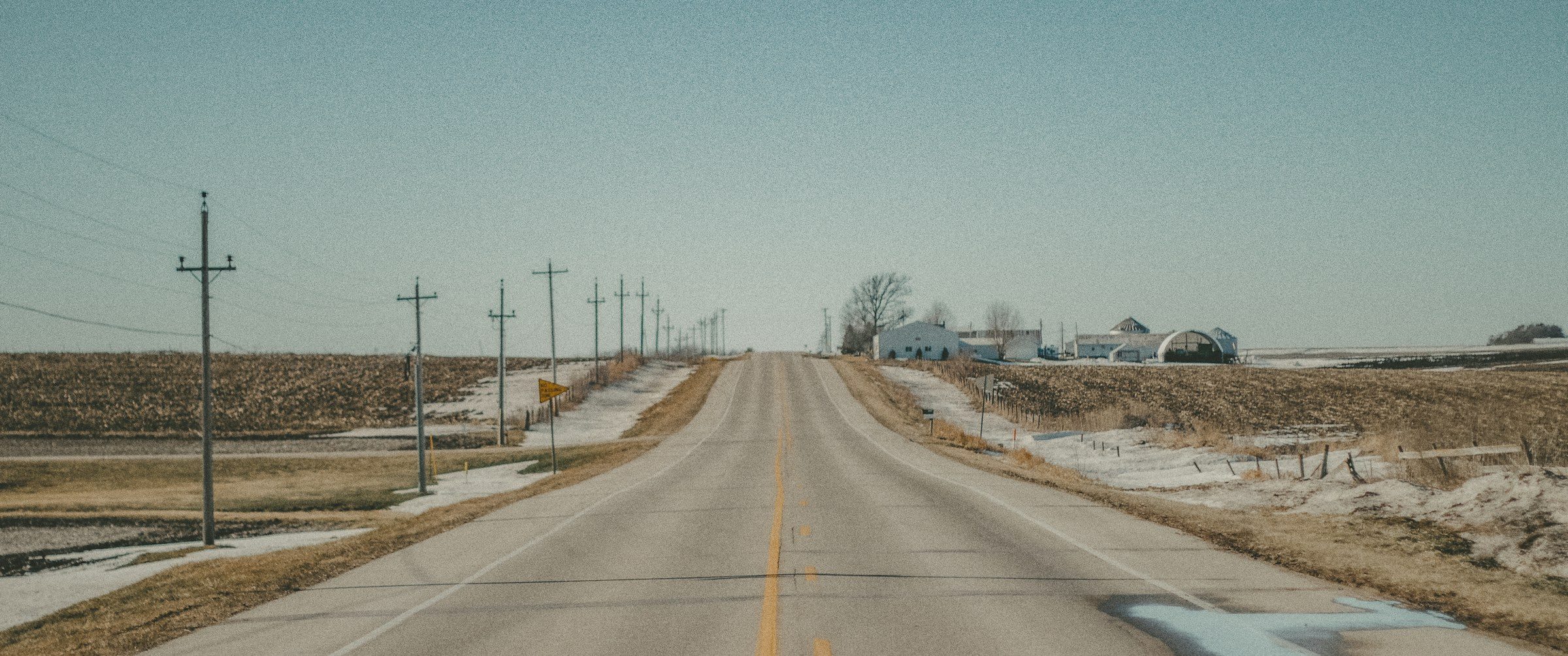
Big infrastructure.
Overlooked places.
PathOne develops data centers where the power, land, and connectivity already are, and plans each one around the community that hosts it.
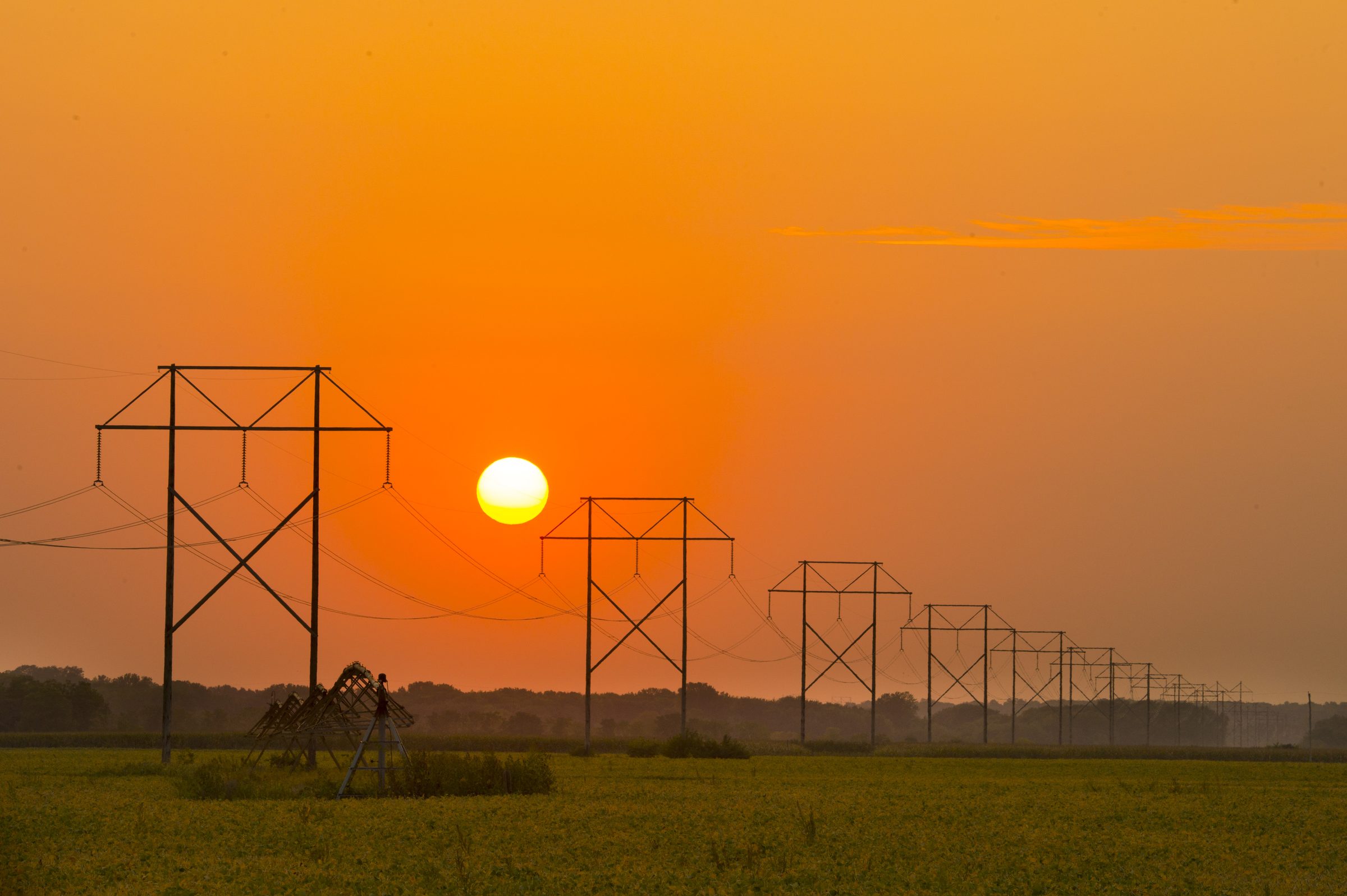
Land is abundant. Capital is available. Power is the bottleneck.
We look for places where power already exists, secure the land around it, and work through the county’s rules with the community before anything is built.
Our approach
A site becomes an opportunity when five things line up. We confirm each one before we commit.
Power
Stranded or underused power, with a workable path to energization.

Land
At least five industrial-zoned acres near a substation, with room to develop.

Connectivity
Dark fiber on site or within reach, on a practical route to the property.

Build
Room for about 4,000 square feet per megawatt, plus the electrical and cooling infrastructure.

Community
A project that leaves the county better off, with tax revenue and work for local businesses.
Where we look
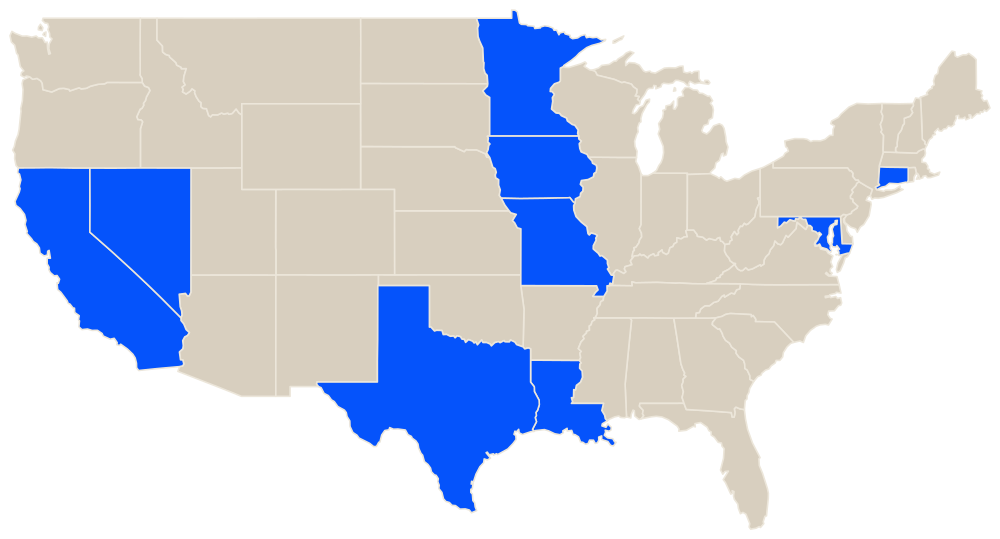
We look for places the industry overlooks: rural sites with stranded or underused power, industrial land near a substation, and fiber within reach. We’re developing in Iowa today and evaluating sites across the Midwest and beyond.
We consider sites anywhere power, land, and fiber line up.
How a site comes together
- 01
Screen
Power, land, and fiber, checked against our requirements.
- 02
Secure the site
A signed option or purchase agreement on the land.
- 03
Diligence
Surveys, studies, and a confirmed path to power.
- 04
Local approvals
County rules, public meetings, and permits.
- 05
Build in phases
Construction sized to the site, one phase at a time.
Working with communities
A data center is a long-term neighbor. Before anything is built, we work through each county’s process in public: we hold open meetings, answer the hard questions, publish what we present, and support rules that bind us and anyone who builds after us.
How we work with communities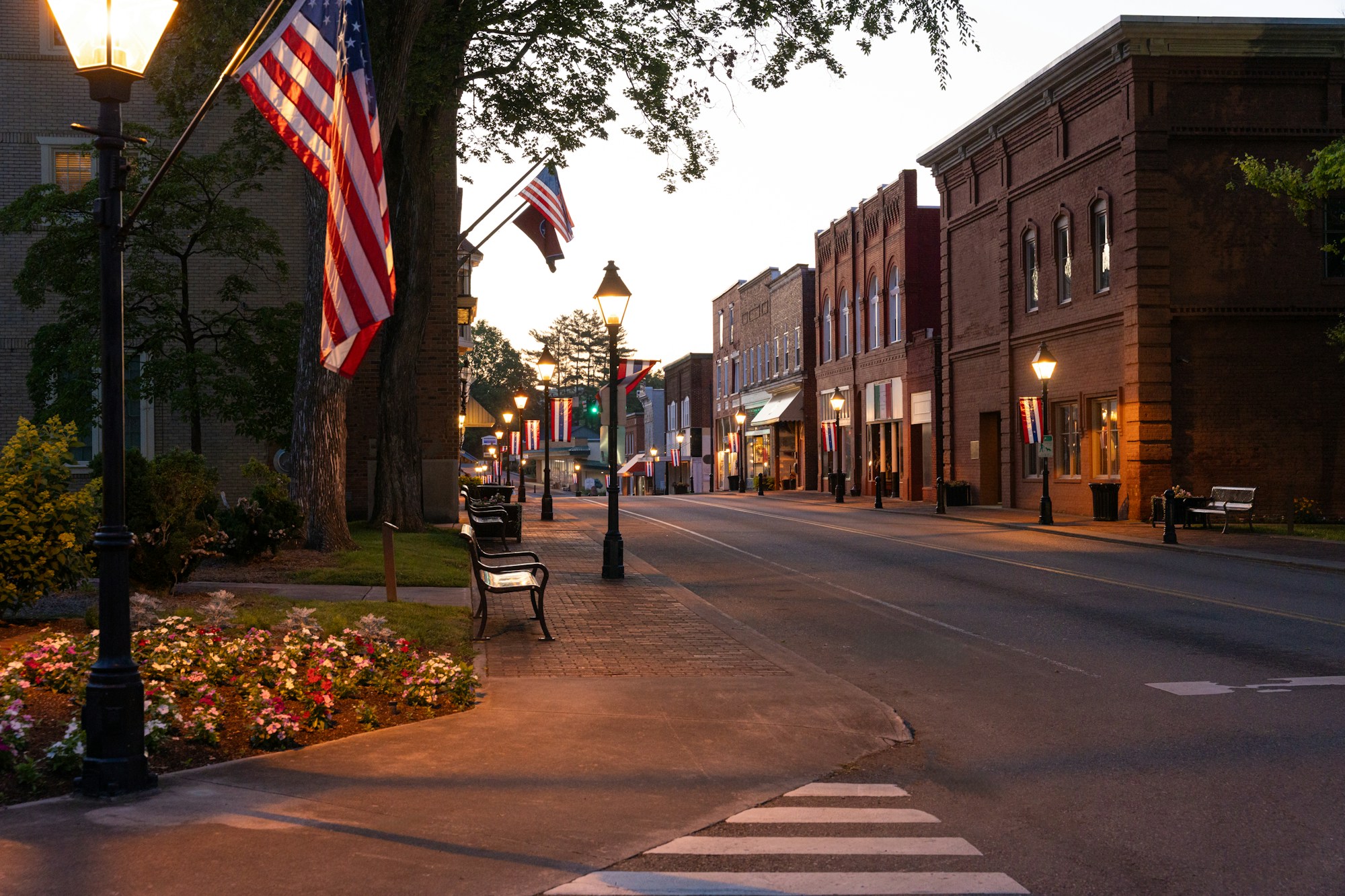
Our CEO was building the internet before Google was a company.
In 1997, Jim DiNoia helped roll out 60 of the early internet’s points of presence across the country. He has spent nearly three decades since in mission-critical infrastructure, from those first network sites to today’s cloud and AI data centers.
That experience shapes how we develop now: start with real power, solve the hard constraints early, build in phases sized to each site, and stay accountable to the communities where these facilities operate.
Leadership
Experience in mission-critical infrastructure, architecture and development, and capital.

Jim DiNoia
Chief Executive Officer
Nearly three decades of mission-critical infrastructure, from early internet facilities to today’s data centers.
Read bio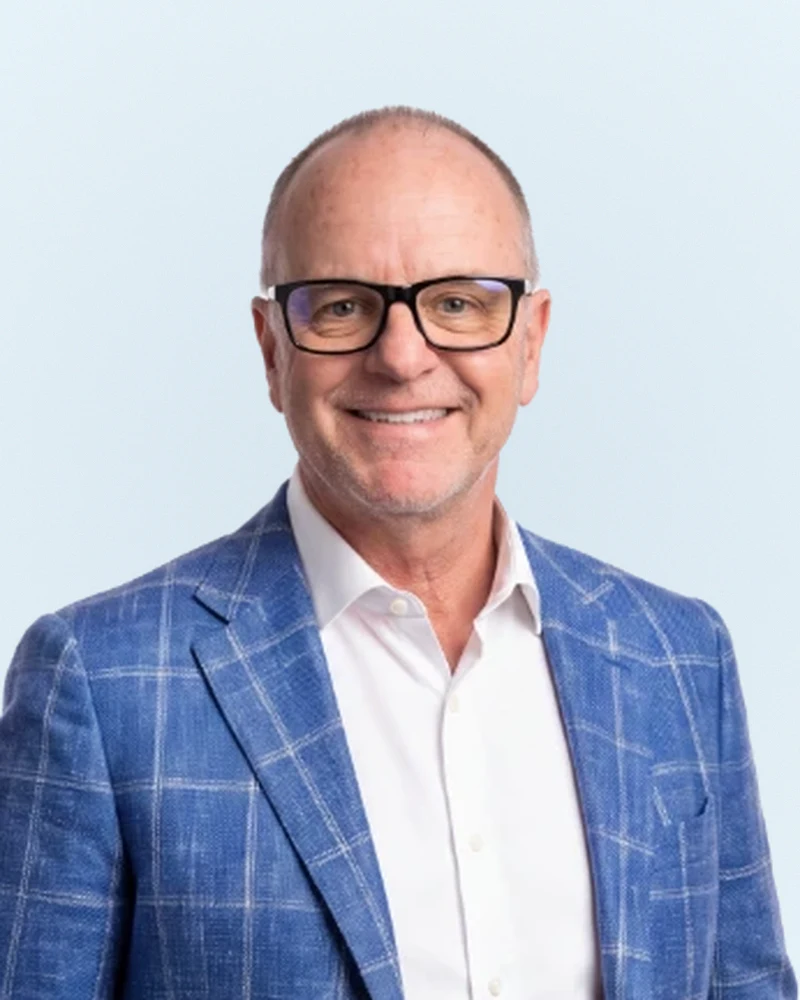
Kevin Donnelly
Chief Development Officer
Licensed architect and developer with thirty years of design, entitlement, and development work.
Read bio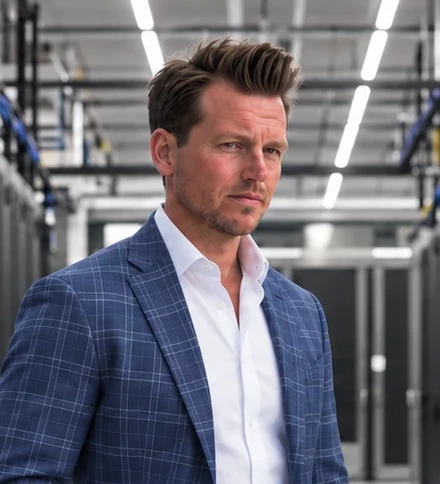
Gyles Uhlenhopp
Chief Investment Officer
Capital partnerships, commercial strategy, and community investment.
Read bioCommon questions
Every site is different. These are the answers that hold for every project we take on.
Questions from the county meetingsElectric rates are set by state regulators and your local utility, not by a developer. What a project like ours adds is a large, steady customer, which can help a utility spread its fixed costs across more power sales. Before any project moves forward, we work with the utility to confirm the power is there and what serving the facility requires.
As little as we can design for. We use closed-loop systems and a partner’s patented cooling technology to keep water use to a minimum. The final cooling design is set site by site, and we share it with that community.
We design with sound barriers and careful equipment placement to manage noise, and we expect to meet the same standards as every other commercial facility in the area. We support measurable noise limits in county rules, checked once the building is running.
Each project is sized to its site and the community’s needs, and built in phases. Future growth depends on available power, land, and required approvals.
New property tax revenue, construction work, business for local suppliers, and a permanent team to run the facility. We’ll share the details for each project as its plan comes together.
Let’s find the path forward.
Have a capacity requirement, a development opportunity, or a question about a project? Start a conversation with PathOne.
Or email contact@pathonedatacenters.com.